
10-Point Maintenance Checklist for Long-Term Vehicle Storage
10-Point Maintenance Checklist for Long-Term Vehicle Storage
Whether you're tucking away a classic car for a Calgary winter, parking an RV after a summer road trip, or pulling your boat out of the water for the offseason, long-term vehicle storage is one of those tasks that rewards preparation. Skip a few key steps, and you may return to a dead battery, corroded engine parts, or a rodent nest in your air intake. Take the time to do it right, and you'll have real peace of mind knowing your vehicle is exactly as you left it.
This checklist covers cars, RVs, and boats, all three very different vehicles that share a core set of best practices. While each has its own quirks (a boat hull needs different treatment than a car's paint job, for example), the fundamentals of vehicle storage maintenance apply across the board. Think of this guide as your go-to long-term car storage checklist, adapted for whatever you're storing.
We've kept every point straightforward and actionable, so even first-time long-term storage owners can follow along with confidence. Let's get started.
Why Proper Prep Makes All the Difference
A lot of vehicle owners treat storage as an afterthought. The problem is that vehicles sitting idle are surprisingly vulnerable. Old engine oil turns acidic and corrodes internal components. Fuel left untreated breaks down and clogs fuel lines. Tires develop flat spots. Rodents find their way into warm, sheltered spaces.
The good news? Avoiding all of it is straightforward. A few hours of prep work before storage can save you hundreds, or sometimes thousands, in repairs. Think of it as a smart decision in protecting something you've already invested in. Whether you're storing through a brutal Calgary winter or a Florida offseason where heat and moisture put their own demands on a vehicle, the right prep makes the difference between a smooth return and an unwelcome surprise.
Points 1–4: Fluids, Fuel, and the Battery

The mechanical foundation of any storage prep starts under the hood. Fluids degrade, batteries drain, and fuel goes stale faster than most people expect. Here's how to get ahead of each issue.
- Change the oil and filter before storage, not after. Used oil contains combustion byproducts and contaminants that become corrosive over time. Fresh oil protects your engine during the long idle period ahead. This is one of the most overlooked steps in any long-term car storage checklist.
- Fill the fuel tank and add a fuel stabilizer. A full tank reduces the air space where moisture can accumulate. A quality fuel stabilizer prevents the fuel from breaking down into gummy residue that clogs injectors and carburetors.
- Top off coolant, brake fluid, and power steering fluid. Low fluid levels invite moisture absorption, which leads to internal corrosion. Check each reservoir and bring levels up to the manufacturer's recommended range before you close the hood for the season.
- Manage the battery proactively. A battery left sitting will self-discharge over weeks. For winter car storage in Calgary, a battery tender (trickle charger) is non-negotiable because freezing temperatures accelerate discharge and can permanently damage a weakened battery. If you can't run a charger, disconnect the negative terminal to slow the drain.
For more guidance on keeping your vehicle in top shape during storage, Otter's vehicle storage guide covers additional tips worth bookmarking.
Points 5–7: Tires, Brakes, and the Exterior
The outside of your vehicle takes a beating during storage if you don't prepare it properly. Tires lose pressure, brake components can seize, and unprotected surfaces attract dust and moisture. These three points address all of it.
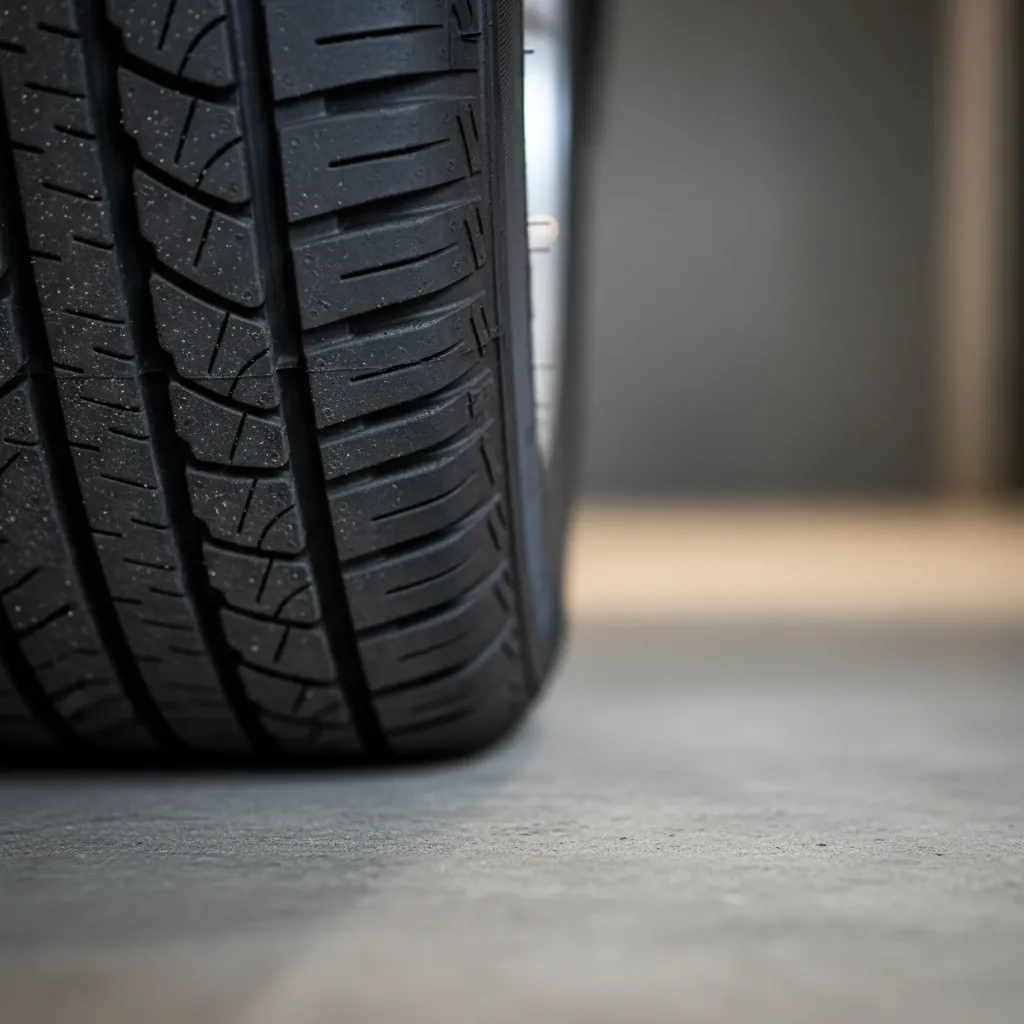
- Inflate tires to the recommended PSI (or slightly above). Tires naturally lose pressure over time, and an underinflated tire sitting in one position develops flat spots that can be difficult or impossible to reverse. If you're storing an RV or a trailered boat, don't forget to check the trailer tires too.
- Skip the parking brake for long-term storage. It feels counterintuitive, but leaving the parking brake engaged for months can cause the brake pads to fuse to the rotors. Instead, use wheel chocks to keep the vehicle stationary. It's a simple swap that prevents a frustrating and budget-unfriendly repair.
- Wash, wax, and protect the exterior before storing. Dirt and contaminants left on a surface will work their way into the finish over time. Wash and wax your car thoroughly before storing it. For boats, apply a marine-grade protective coating to hull surfaces. Then, use a breathable, fitted vehicle cover to keep dust and moisture off. This is especially important in drive-up access units where the door opens directly to the outside air.
If you're storing a boat in South Carolina, check out our boat storage options in Myrtle Beach for spaces designed to accommodate larger watercraft with easy drive-up access.
Points 8–10: Final Prep, Documentation, and Choosing the Right Storage
The final three points on this vehicle storage checklist cover the details that many people only think about after something goes wrong.
- Block entry points and remove all food. Rodents can squeeze through surprisingly small gaps, and a warm vehicle interior is an attractive nesting spot. Block the exhaust pipe and air intakes with steel wool or a fitted plug. Remove every food wrapper, snack, and organic material from the interior.
- Document the vehicle's condition with dated photos. Before you close the storage unit door, take a thorough set of photos: every panel, the interior, the undercarriage if accessible, and any existing scratches or dents. Note the date. This gives you a clear, timestamped baseline if any questions arise when you retrieve the vehicle.
- Choose the right storage environment for your vehicle. A temperature-stable, climate-controlled unit is the best choice for classic cars, luxury vehicles, and anything with sensitive electronics or finishes. Drive-up access units are often the more practical option for larger vehicles like RVs and boats, since you can maneuver them in and out without complications. For shorter storage periods in mild climates, outdoor covered storage may be sufficient. But for anything longer than a few months, or in a location with extreme seasonal temperatures, an enclosed unit is worth it.
Owners storing vehicles in Florida can explore our RV, boat, and vehicle storage options across Florida to find the right unit type and size. For Calgary-area storage, our vehicle storage in Calgary offers solutions built to handle the demands of a Canadian winter.
Keeping Your Vehicle Ready When the Season Returns
A little prep now saves significant time, money, and frustration when it's time to get back on the road or water. The work you put in before storage is an investment that pays off the moment you return. To make that return as smooth as possible, run through this simple wake-up checklist before you drive or launch anything:
- Check tire pressure and inflate to the correct PSI before moving the vehicle.
- Reconnect the battery and test that all electrical systems are functioning.
- Inspect all fluid levels and top off anything that has dropped during storage.
- Remove all storage plugs from exhaust pipes and air intakes before starting the engine.
- Do a quick visual inspection of the exterior and compare against your pre-storage photos.
Finally, the right storage facility can be a partner in protecting a high-value asset. Count on Otter to help you stay ready for the road in every season and rent your vehicle storage space today.