
Downsizing Storage Tips for Retirement | Otter Storage

Downsizing for Retirement: Storage Tips That Actually Help
You've sorted through the spare bedroom twice, donated two carloads to charity, and still can't figure out where the dining room table fits in the new place. Downsizing for retirement rarely goes as smoothly as the plan on paper, and that gap between "what I own" and "what the new space holds" is exactly where solid downsizing storage tips come in. A self storage unit isn't a way to avoid making decisions. It's a tool for making them on your own timeline.
The Biggest Misconception About Downsizing
A lot of people treat downsizing as a single event: one big purge, one move, done. In practice, it almost always unfolds in stages. You might move into a smaller home before adult children can collect their childhood furniture. You might be waiting on a renovation to finish before you know what fits. Or you simply need a few months to decide what actually belongs in the next chapter of your life before committing to selling or donating it.
Renting a storage unit during this transition isn't a sign of indecision. It's a practical bridge. The key is using it deliberately rather than letting it become a second attic. Check out these tips for downsizing your home for a broader framework before you start loading boxes.
What to Put in Storage Versus What to Let Go
A useful rule of thumb: if you haven't used or displayed something in the past year, it probably doesn't belong in the new home. Storage works best for items with a clear future purpose, not items you're holding onto out of habit.
Good candidates for a storage unit during a retirement downsize include:
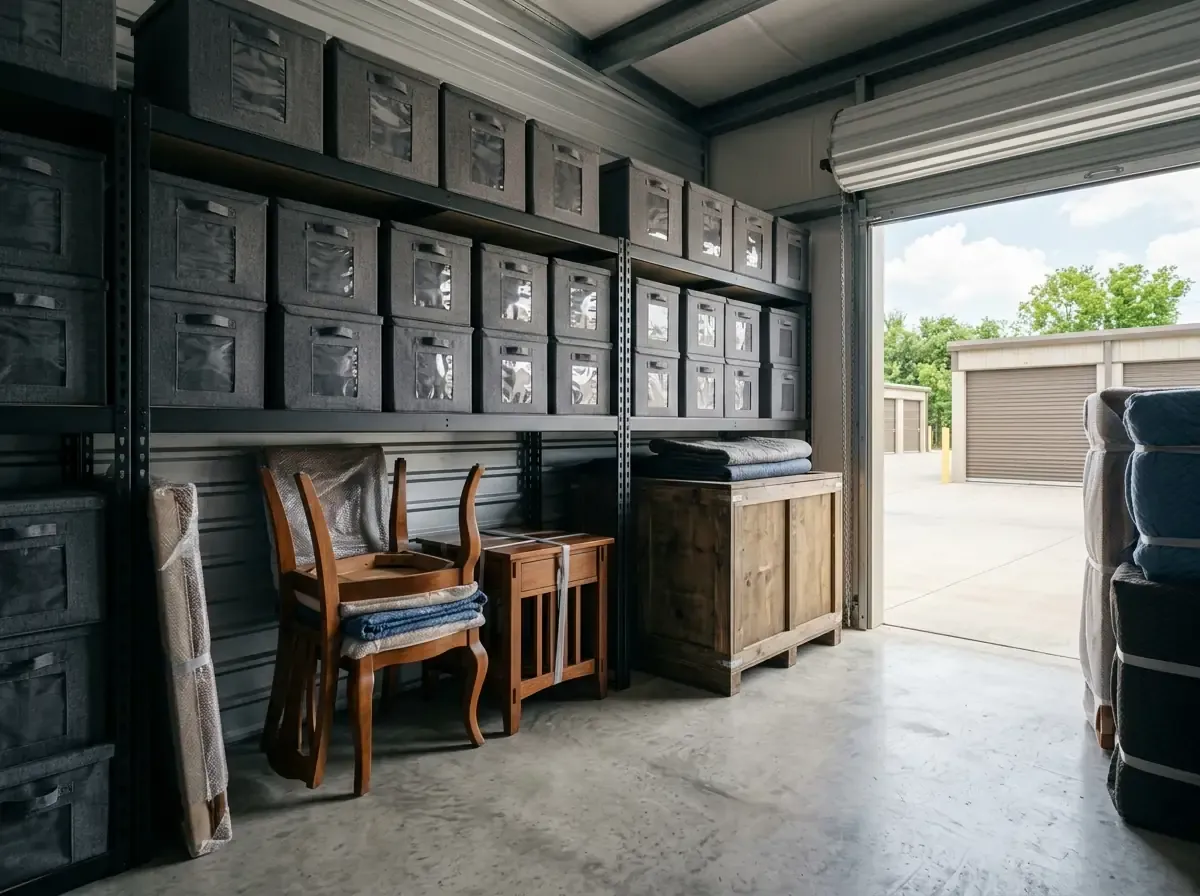
- Seasonal gear, like skis, golf clubs, and camping equipment that won't fit in a smaller garage
- Furniture you're passing along to family but that hasn't been picked up yet
- Hobby equipment tied to a dedicated space you no longer have (a woodworking bench, for example)
- Decor and keepsakes you want to keep but don't have wall or shelf space for right now
Items that tend to linger in storage indefinitely, and probably shouldn't go in at all, include duplicate kitchen appliances, worn-out furniture kept "just in case," and boxes of documents that could be digitized or shredded.
Choosing the Right Unit Size
Oversizing is a common mistake. Renting more space than you need just makes it easier to fill the unit with things that should have been donated. Before reserving a unit, take stock of what you're actually storing and use a storage unit size guide to match your inventory to the right footprint. A 5x10 unit handles a few pieces of furniture and several boxes; a 10x10 covers the equivalent of a one-bedroom apartment's overflow.
Organizing the Unit So You Can Actually Use It
If you're going to access the unit regularly, pulling out seasonal items or retrieving furniture as family members claim it, organization matters from day one. Label every box on the side, not the top. Leave a clear aisle down the center. Put items you'll need soonest near the front. For a deeper look at layout strategies, the ultimate guide to storage unit organization covers the specifics well.
Keep the End Goal in Sight
The most effective retirement downsizes treat storage as temporary by design. Set a review date; six months out is reasonable, and revisit what's in the unit. Anything that still hasn't found a home or a recipient by then is probably ready to be donated or sold. Otter Storage's residential storage options are available on flexible month-to-month terms, which means you're never locked into space you no longer need. When you're ready to find a location near your new home, browse all Otter Storage locations to see what's close by. Downsizing is a process, and the right storage setup simply gives you the room to do it well.