
RV Storage Options 101: HOA Rules, Long-Term Parking & What to Know
RV Storage Options 101: What to Do When Your Driveway Is No Longer an Option
The question most RV owners eventually ask themselves is simple: can I actually keep this thing at home? For a lot of households, the answer turns out to be no. HOA bylaws, city ordinances, and rental lease agreements all commonly restrict oversized vehicles from sitting in driveways or on public streets for more than a day or two. If you own an RV, a boat, a work trailer, or a commercial van and you have received a notice, a fine, or a polite but firm call from a neighbor, exploring your RV storage options is the practical next step.
Why Driveways and Streets Stop Working
HOA communities are the most common source of restrictions, but they are far from the only one. Many municipalities limit how long an oversized or commercial vehicle can remain parked on a residential street. Apartment and townhome lease agreements frequently prohibit RVs and trailers from the parking lot entirely. Even in neighborhoods without a formal HOA, a persistent complaint from a neighbor can trigger a city code enforcement visit.
The vehicles that run into these rules most often include full-size RVs and motorhomes, travel trailers, fifth-wheels, boats on trailers, enclosed cargo and work trailers, commercial vans, and classic or project cars that are not driven regularly. If any of these sit in your driveway for weeks at a time, a storage facility with dedicated vehicle parking is worth considering before the fines add up.
What Off-Site Vehicle Storage Actually Looks Like
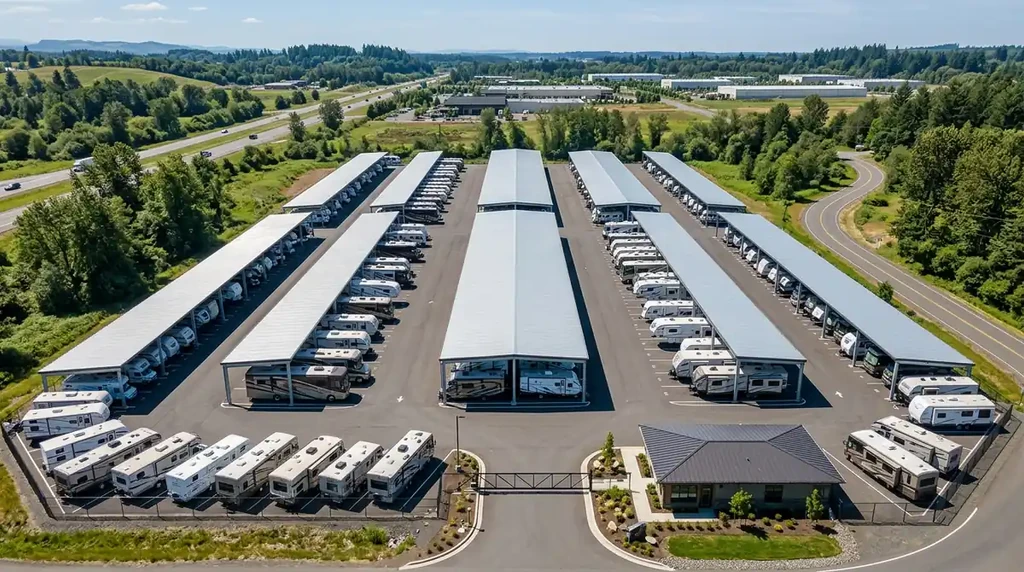
Dedicated vehicle storage lots offer parking spaces sized for large vehicles, typically with drive-up access so you can pull in and pull out without maneuvering through a standard parking structure. Some facilities offer covered spaces that keep a vehicle out of direct sun and precipitation, which matters for exterior finishes and rubber seals over time. Uncovered outdoor spaces are the most common and budget-friendly choice for vehicles that are used regularly and do not need additional protection from the elements.
Otter Storage offers RV, boat, and vehicle storage at select locations, with options designed to handle larger vehicles that simply do not fit in a standard self storage unit. You can find available facilities through the full list of storage locations to see which ones carry vehicle parking.
Preparing Your RV or Trailer for Long-Term Storage
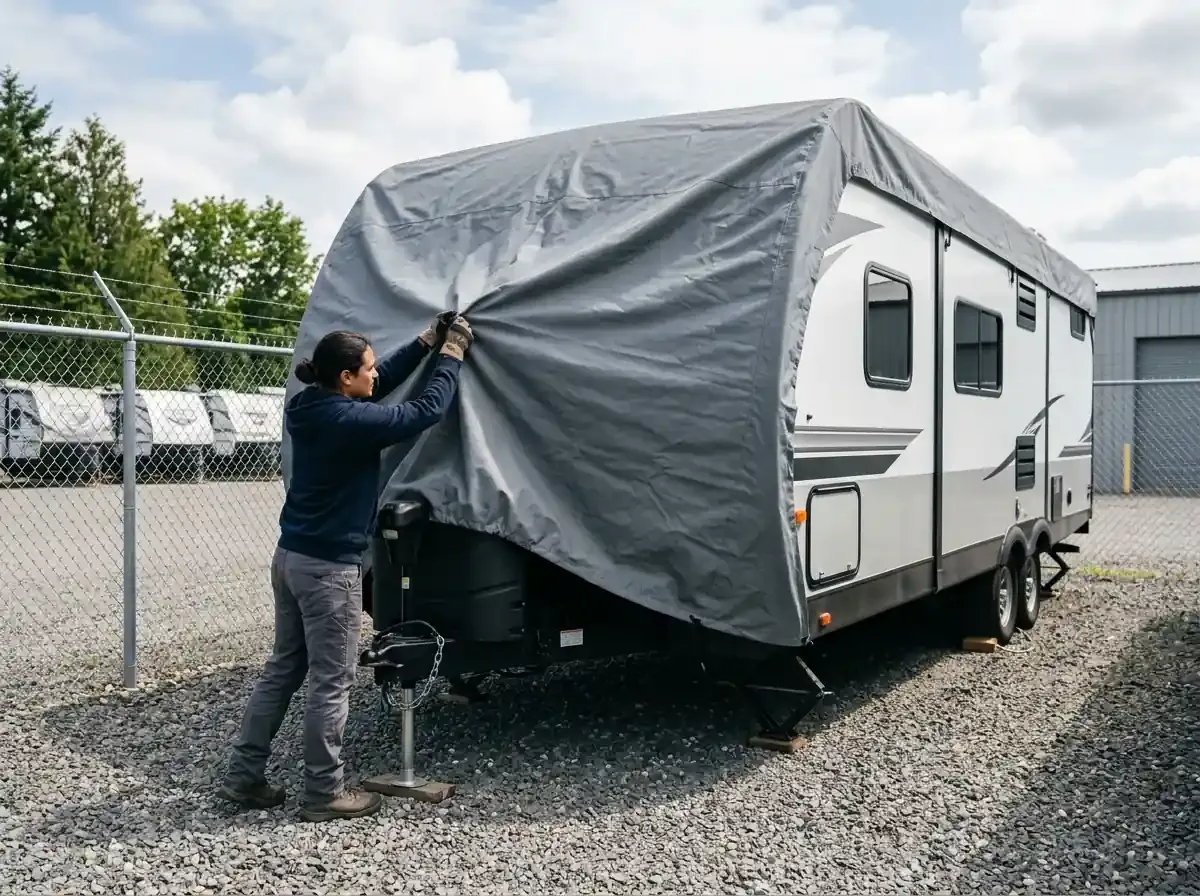
Dropping a vehicle at a storage facility and walking away for six months without any preparation tends to create problems. A little work upfront keeps the vehicle in good shape and makes retrieval straightforward. A few things worth doing before you store:
- Drain water lines and tanks to prevent cracking during cold weather
- Disconnect the battery or use a trickle charger to maintain charge
- Check tire pressure and consider placing the vehicle on leveling blocks if it will sit for an extended period
- Cover vents and openings to keep pests from nesting inside
- Remove any food items, linens, and personal gear that could attract pests or degrade over time
For a more detailed walkthrough, our 10-point vehicle storage checklist covers the full process. It is worth reading before your first drop-off, especially if this is the first time you are storing a vehicle long-term.
Getting Your Vehicle Back When You Need It
One concern people raise about off-site storage is retrieval. The reality is that most vehicle storage facilities are designed for regular access. You are not locking a vehicle away permanently. Our storage facilities with drive-up vehicle lots let you pull in, hook up or load up, and be on the road quickly. Month-to-month leases mean you are not locked into a long commitment if your situation changes. For households that use an RV seasonally, storing it offseason and retrieving it before a trip is a straightforward routine once you have done it once.
If you are still figuring out what size space your vehicle needs, our storage size guide is a good starting point. Keeping your vehicle compliant with neighborhood rules does not have to be complicated. A dedicated parking spot at a storage facility solves the compliance question and frees up your driveway for everyday use.