
Storing Your Boat or RV in Florida: Offseason Tips & Vehicle Storage Maintenance
Storing Your Boat or RV in Florida: Offseason Tips and Vehicle Storage Maintenance
A tarp-covered boat sitting in the driveway from October through April looks temporary. After a few seasons, it starts to look permanent, and that's when the HOA letters start arriving. Dedicated vehicle storage maintenance, paired with a proper offseason storage plan, keeps your rig in better shape and your neighbors off your back. Here's what Florida boat and trailer owners actually need to know before they pull the vessel out of the water for the season.
Why Offseason Storage Matters More Than People Realize
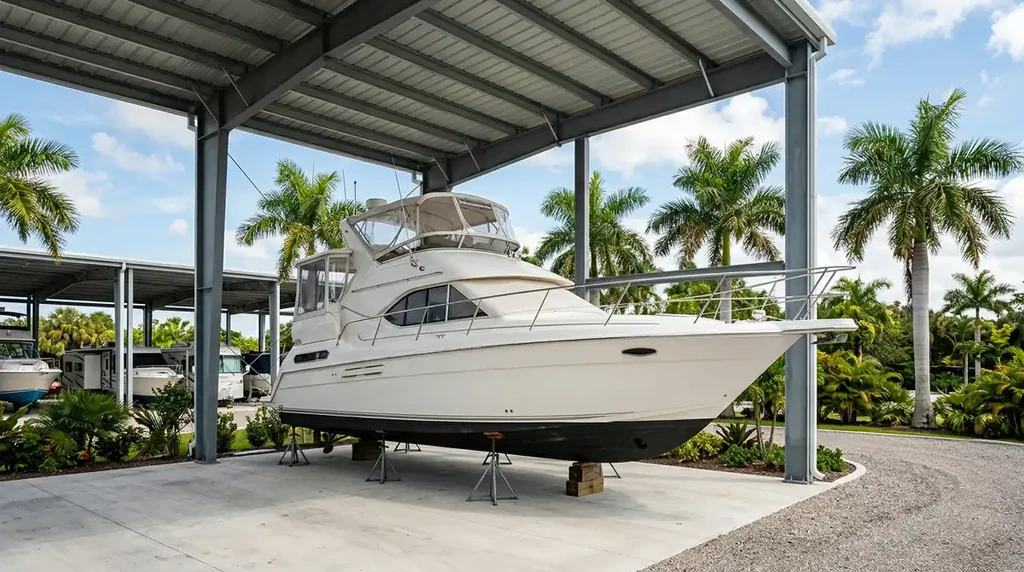
Florida's boating calendar runs longer than most states, but there's still a window each year when the boat sits idle. Leaving it in the driveway during that stretch creates two real problems. First, UV exposure and heat cycles take a toll on fiberglass, upholstery, and engine components even when the boat isn't running. Second, many Florida HOAs explicitly prohibit boats and trailers parked in residential driveways for more than 24 to 72 hours. A dedicated storage space solves both issues at once.
Outdoor and covered storage options are available for everything from a single Jet Ski on a trailer to a pontoon boat or a larger vessel on a dual-axle trailer. If you're not sure what size space fits your rig, the Otter Storage size guide breaks down unit dimensions so you can match your trailer length before you book.
Preparing Your Boat or Trailer for Long-Term Storage
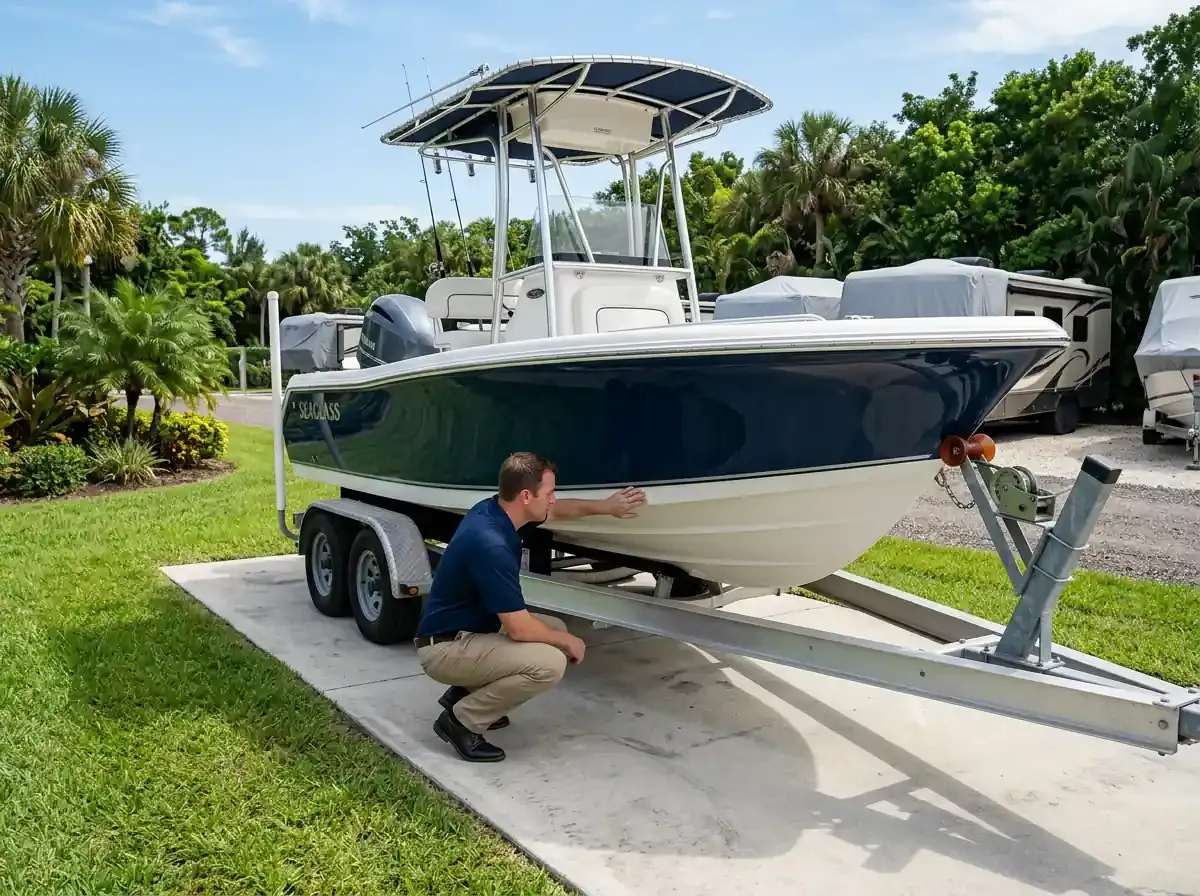
Getting the vehicle storage maintenance right before you hand over the keys to a storage space is what separates a boat that starts cleanly in spring from one that needs a week of repairs. A few steps make the biggest difference:
- Flush the engine with fresh water and run it briefly to clear any residual salt or debris from the cooling system.
- Change the engine oil before storage, not after. Old oil carries combustion byproducts that can corrode internal components over a long idle period.
- Add a fuel stabilizer to a full tank to prevent the fuel from breaking down and gumming up the carburetor or fuel injectors.
- Disconnect the battery or attach a trickle charger to keep it from discharging completely over several months.
- Cover the boat with a fitted cover rather than a generic tarp. A proper cover breathes better and won't trap condensation against the hull.
- Check the trailer's tire pressure and wheel bearings before moving it into storage, not just before you pull it out in spring.
For a more detailed pre-storage walkthrough, the 10-point maintenance checklist for long-term vehicle storage covers additional steps that apply to boats, trailers, and other recreational vehicles.
HOA Rules and the Case for Off-Site Storage
Florida communities with active HOAs often have specific language about recreational vehicles and trailers. Some prohibit them entirely from visible driveways; others allow short-term parking for loading and unloading only. Rather than tracking the exact window your HOA permits, moving the boat to a dedicated storage facility eliminates the question entirely. It also frees up the driveway for everyday use, which matters more than it sounds after a few months of working around a 24-foot trailer.
Otter Storage's boat and RV storage options are designed with this exact situation in mind. You can find available locations through the full list of storage locations to see what's near you.
Getting Back on the Water Quickly in the Spring
One underrated benefit of organized offseason storage is how much faster the spring launch goes. When the boat has been properly prepped, covered, and stored in a dedicated space, the retrieval checklist is short. Reconnect the battery, confirm tire pressure on the trailer, pull the cover, and you're close to ready. Compare that to pulling a boat out from behind the garage, finding a cracked hose from sitting in the heat, and losing a weekend to repairs. Good vehicle storage maintenance done in the fall pays off every time the season opens back up.